Cultural Erasure
The Dominion conquers not only land, but identity itself — outlawing the Vrahn name, language, gods, and history. The empire's deepest weapon is not the sword. It is forgetting.
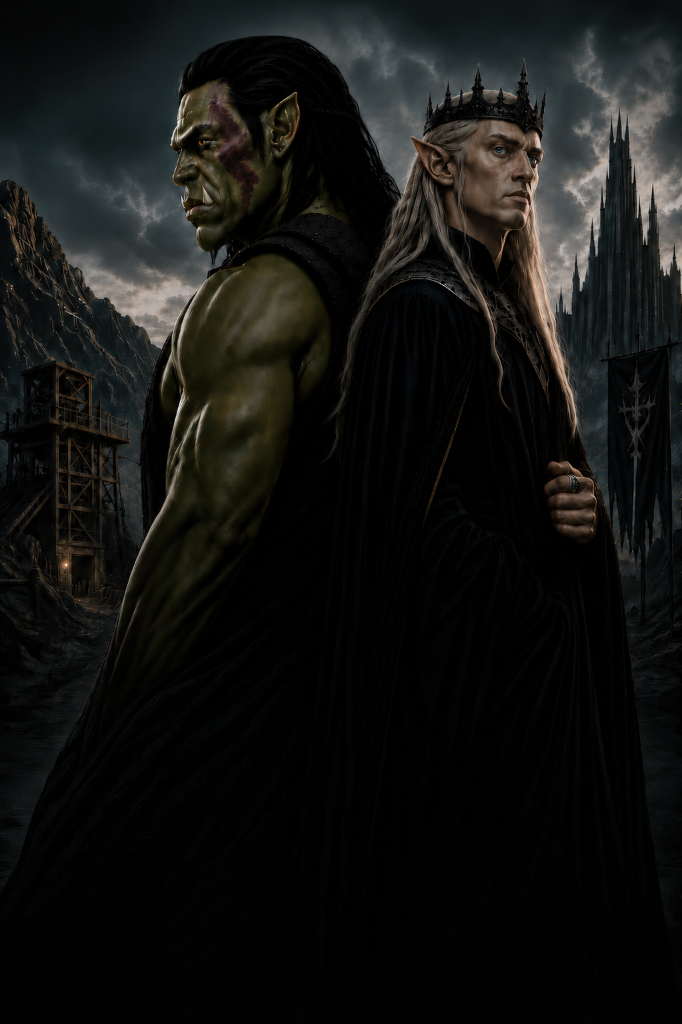
A novel by Elias Thorn
A dark epic fantasy of rebellion, forgotten gods, and a people reclaiming their name.
Available now on Amazon — Kindle & Paperback
Fifty years ago, the Dominion conquered the Vrahn — a civilization of mountain kings, wolf-riders, and ancient gods — and shattered them into slaves.
Now the mines are failing. The old gods are whispering again. And in the dark beneath the mountains, something older than empire is beginning to stir.
Vorrick has known nothing except dust, labor, and the hum of the Binding in his bones. But when his father is executed for stealing medicine to save his dying mother, something inside him begins to break.
Guided by the whispers of forgotten gods and haunted by an elder who remembers the world before conquest, Vorrick learns that the empire buried more than just a people.
It buried their name.
Not Kethri.
Vrahn.
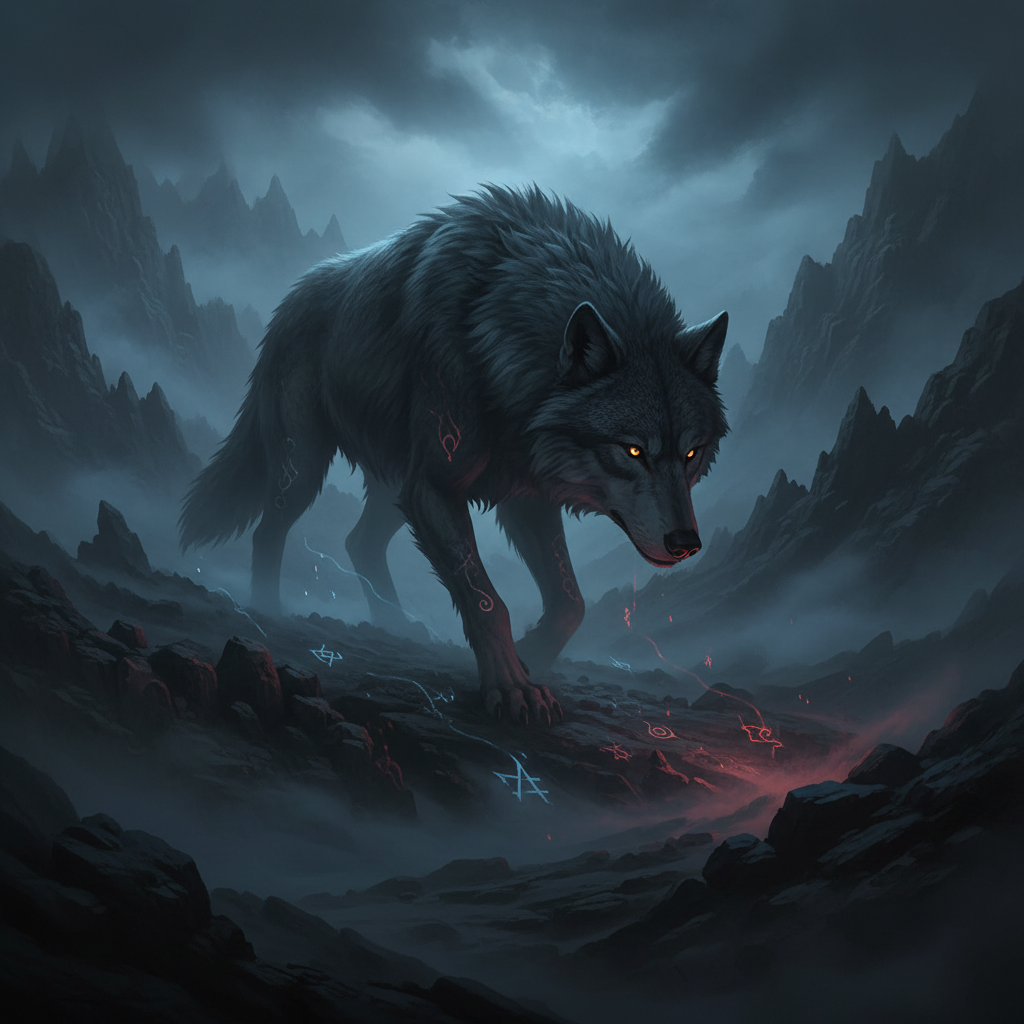
An empire of chains. A people of stone. And one man who begins to remember.
Part One — Dust
Vorrick labors in the mines of Drennhold beneath the hum of the Binding — the empire's magic coiled through every Kethri's bones. When loss strikes close, something inside him begins to fracture.
Awakening
Guided by an elder who remembers the world before conquest, Vorrick begins to learn what was taken. The old gods. The old language. The old name. He learns that 'Kethri' is a slave-name — and that his people were once called something else. Something the Dominion buried.
The Search
Rumors spread of an ancient relic of the Vrahn — hidden, outlawed, and powerful enough to threaten everything the empire has built. Vorrick becomes tied to its search. The Dominion will do anything to keep it buried.
Flight
Driven from Drennhold, Vorrick escapes into the high territories beyond Dominion reach. What he finds there changes everything he thought he knew about his people, his gods, and himself.
The Reckoning
The relic is found. The binding begins to fracture. But freedom — when it comes — does not arrive quietly. Survival and war become the same thing.
The Final Movement
The Dominion mobilizes. An Alvar war-priest marches to end the rebellion permanently. Vorrick — now symbol as much as man — moves toward a conflict that will decide whether the Vrahn survive to be themselves again.
The themes that shape this dark epic fantasy
The Dominion conquers not only land, but identity itself — outlawing the Vrahn name, language, gods, and history. The empire's deepest weapon is not the sword. It is forgetting.
Remembering names, gods, rituals, and language becomes revolutionary. In a world designed to make a people forget who they are, remembering is the first act of war.
The Vrahn are physically powerful — warriors, smiths, mountain kings. Yet they remain enslaved through magical binding. Strength without freedom is the empire's most perfect cruelty.
The Dominion frames domination as civilization. Its war-priests believe absolutely in their divine right to rule. The most dangerous oppressor is one who is certain of their righteousness.
Entire generations have learned obedience through magical and psychological control. The Binding does not only live in the wrists — it lives in the mind. Breaking it requires more than an artifact.
At its heart, Dust & Stone is about a people remembering themselves. Not Kethri — the slave-name given by conquerors. Vrahn. The name that was theirs before the empire arrived.
Chapter 1 ⚒ The Mine
T
he mountain breathed dust.
It rolled constantly from the mouths of the tunnels and drifted across Drennhold in pale gray veils, settling over scaffolds, roofs, skin, and stone until everything in the mining camp wore the same exhausted color. By midday the dust coated the tongue and gathered at the corners of the eyes. It lived in clothes, in blankets, in food. It followed the miners home each evening and slept beside them.
Vorrick drove the iron wedge into the seam and struck it again with the hammer.
Gray dust coated his olive-green skin and clung to the black hair tied back from his face with a strip of worn leather. He was broader than most of the Kethri around him, heavy through the shoulders and arms from years in the mine, with dark eyes that rarely lifted from the work. A deep purple-brown birthmark stretched across the right side of his face from temple to jaw beneath the dust.
The blow rang through the shaft. Fractures spread through the black ore in thin glittering lines before the stone finally split apart.
Around him the mine thundered with labor. Picks bit rock in uneven rhythm. Cart wheels ground against rails slick with old grit. Somewhere deeper in the mountain, timber supports groaned softly under the weight above them. The sound had become so ordinary that most of the miners no longer heard it consciously. They noticed only when it stopped.
Beside Vorrick, Garm leaned briefly on the haft of his pick and coughed into his arm.
The sound disappeared into the noise of the shaft, but Vorrick heard it anyway.
"You're slowing," he said.
Garm spat black into the dust and straightened again. "You're young enough to think that matters."
Even now his father was large for a Kethri. His shoulders remained broad beneath the rough work shirt, and the muscles in his forearms still stood out thick as roots when he swung the pick. His tusks curved slightly upward past his lower lip, worn blunt with age and hard years.
Dust had gone silver through his dark hair near the temples.
Vorrick sometimes tried to imagine what Garm had looked like before the mine. Before Drennhold had bent his back and filled his lungs with stone.
He never could.
Available in Kindle Edition & Paperback
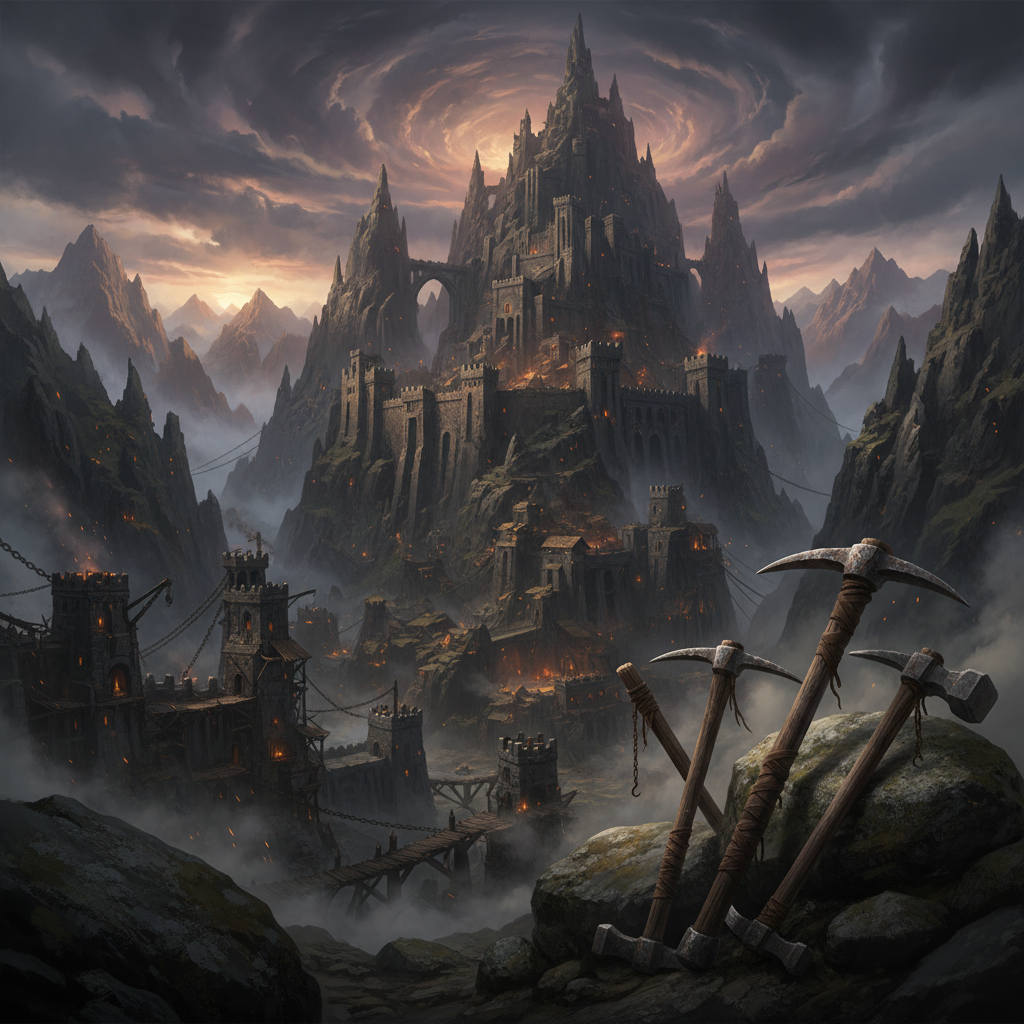
An empire of chains. A people of stone.
A vast empire of the Alvar — the elves of this world — built upon magical enslavement and industrial conquest. The Dominion destroyed the Vrahn cities and temples, erased their language and gods, renamed the survivors 'Kethri,' and uses magical binding towers to suppress rebellion. It believes itself civilized and righteous — while sustaining itself entirely through slavery and cultural annihilation.
The true name of the enslaved people. Before conquest they were mountain clans — warriors, forge-keepers, shamans, and wolf-riders with ancient gods and sacred rites. The Dominion outlawed the word 'Vrahn' itself. Reclaiming that name is the first act of rebellion. The story centers on what it means to remember who you were.
A magical control system embedded into every enslaved Vrahn at birth. It suppresses violence toward the Alvar, reacts to hostile intent before action can be taken, and causes paralysis, pain, and psychological submission. It grows stronger near Dominion towers and Wardens. The Binding allows physically superior Vrahn laborers to remain enslaved despite their strength.
Vharr — wolf god of hunters and the dead, associated with winter and war. Ssuna — earth goddess, keeper of roots, burial rites, and ancestral memory. Rahan — forge god of kingship, fire, and weapons. The old religion survives only in fragments and whispers passed between the enslaved in the dark.
A word spoken only in whispers. An ancient relic of the Vrahn kings, outlawed and buried by the Dominion — its existence proof that the empire fears something the enslaved still carry. The search for it becomes the heart of the rebellion.
A Dominion mining settlement buried beneath mountains and ash. Vorrick's entire world before the rebellion — a place of dust, labor, chains, and the constant hum of the Binding in the bones. The mines are failing. Resources are thinning. And the old powers are stirring in the deep places beneath the rock.
Those who will shape the fate of a people
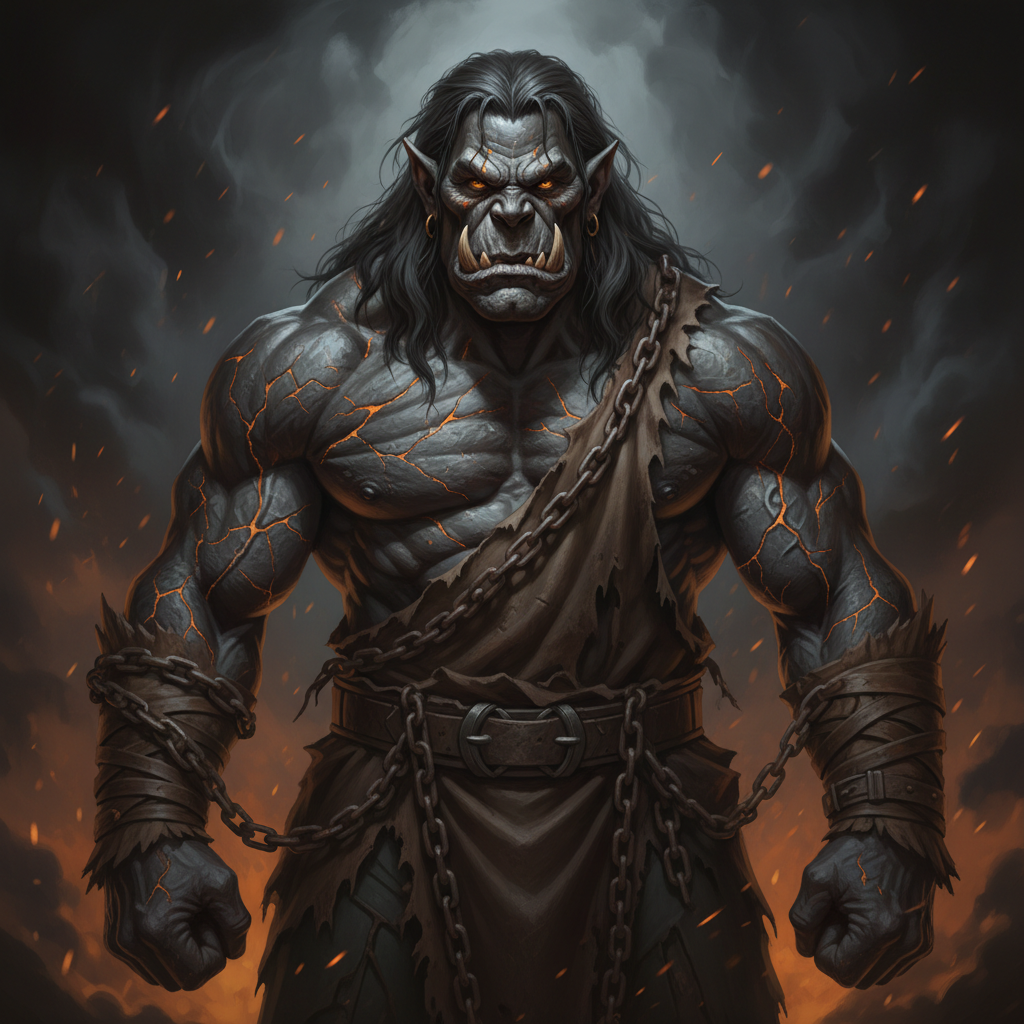
The Protagonist
A powerful Vrahn mine laborer marked by grief, rage, and emotional restraint. Olive-green skin, black hair, broad and muscular — and a purple-brown birthmark across the right side of his face. Quiet and deeply compassionate beneath a hardened exterior. When the Dominion destroys everything he loves, he begins the long road from obedient slave to symbol of liberation.
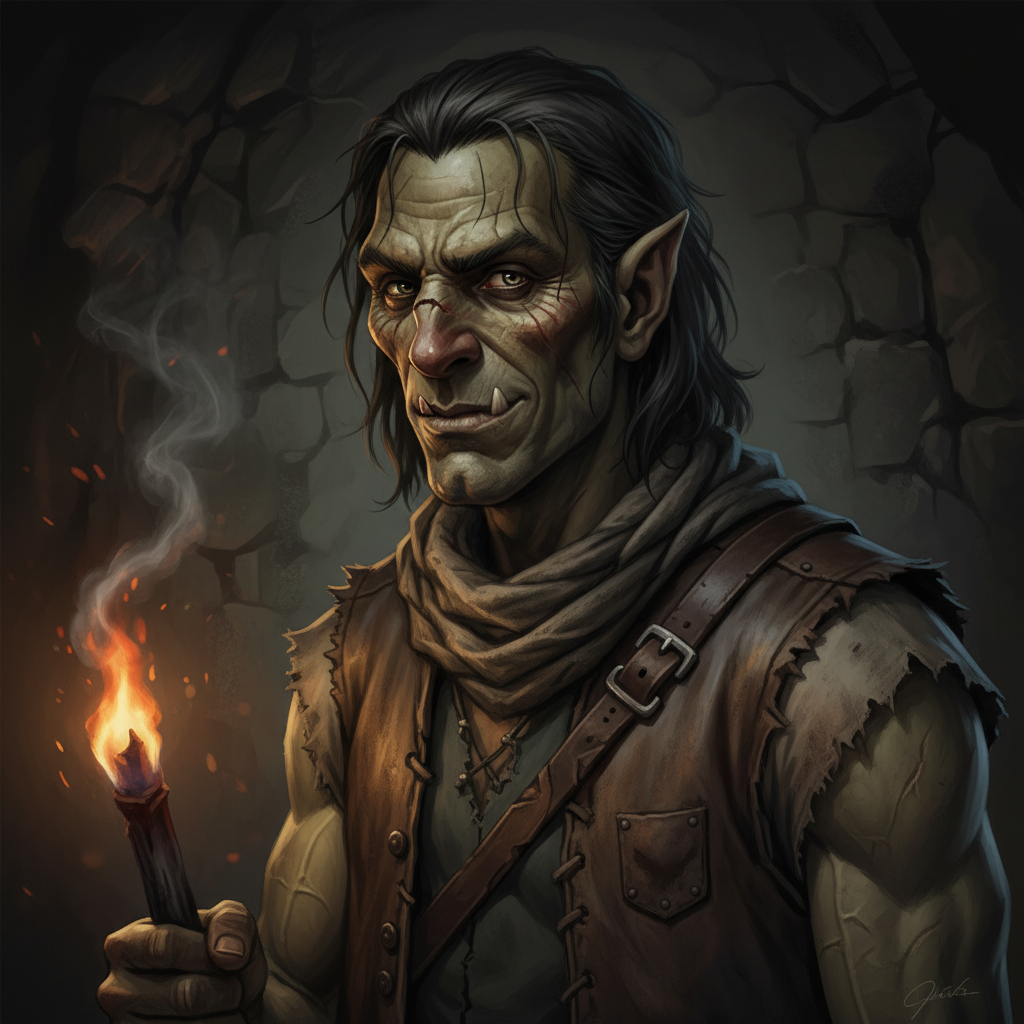
Vorrick's Closest Friend
A lean, restless miner with humor masking fear and grief. Sarcastic, loyal, impulsive — and more emotionally perceptive than he lets on. Renn provides the human grounding at the heart of the rebellion, the ordinary Vrahn caught inside a history far larger than himself.
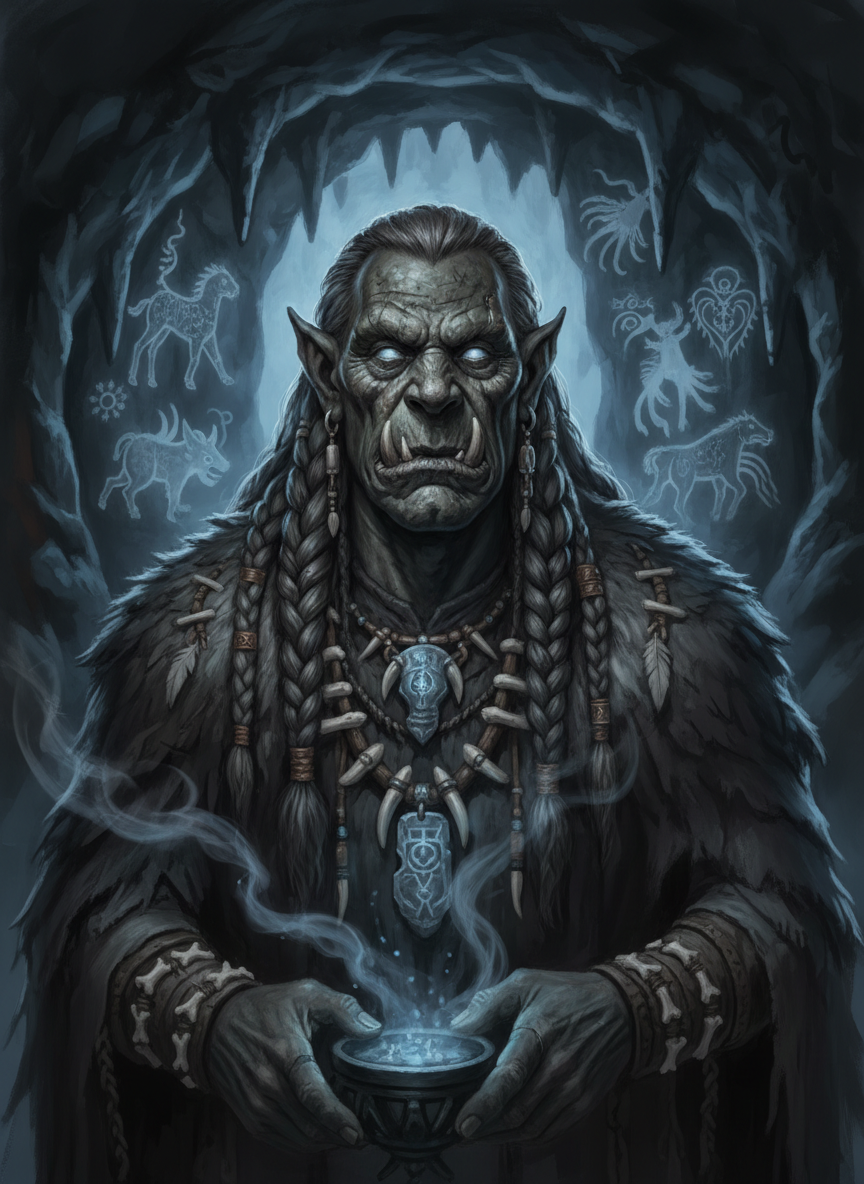
Keeper of Vrahn Memory
An aging former smith who remembers fragments of the world before conquest. Philosophical, sharp, and mournful, Yorrim introduces Vorrick to the old Vrahn identity, the forbidden gods, and the possibility of resistance. He is the spiritual architect of the rebellion.
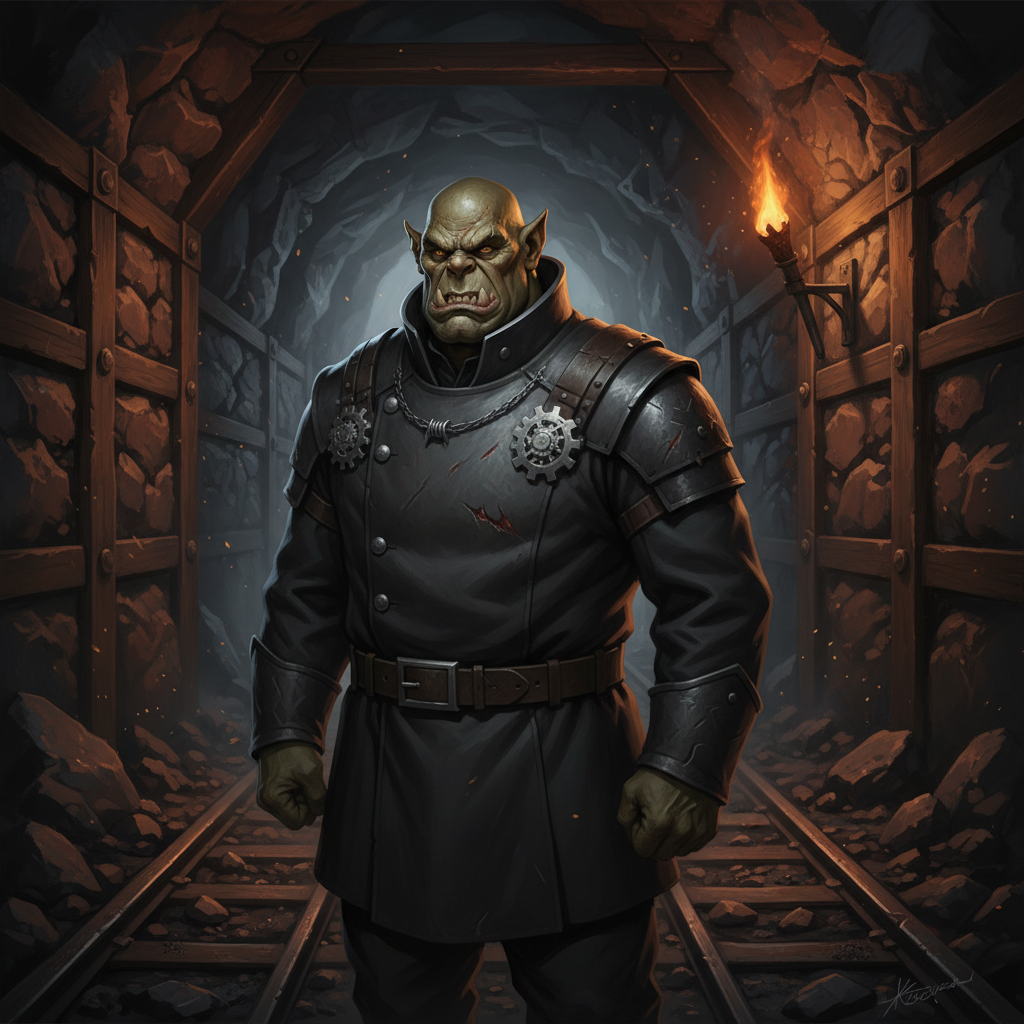
The Collaborator
A Vrahn elevated above other laborers as an overseer for the Dominion. Cruel, insecure, and performative — Korven has survived by turning his fear into a weapon aimed at his own people. He represents the most insidious cost of oppression: the conquered made complicit in their own chains.
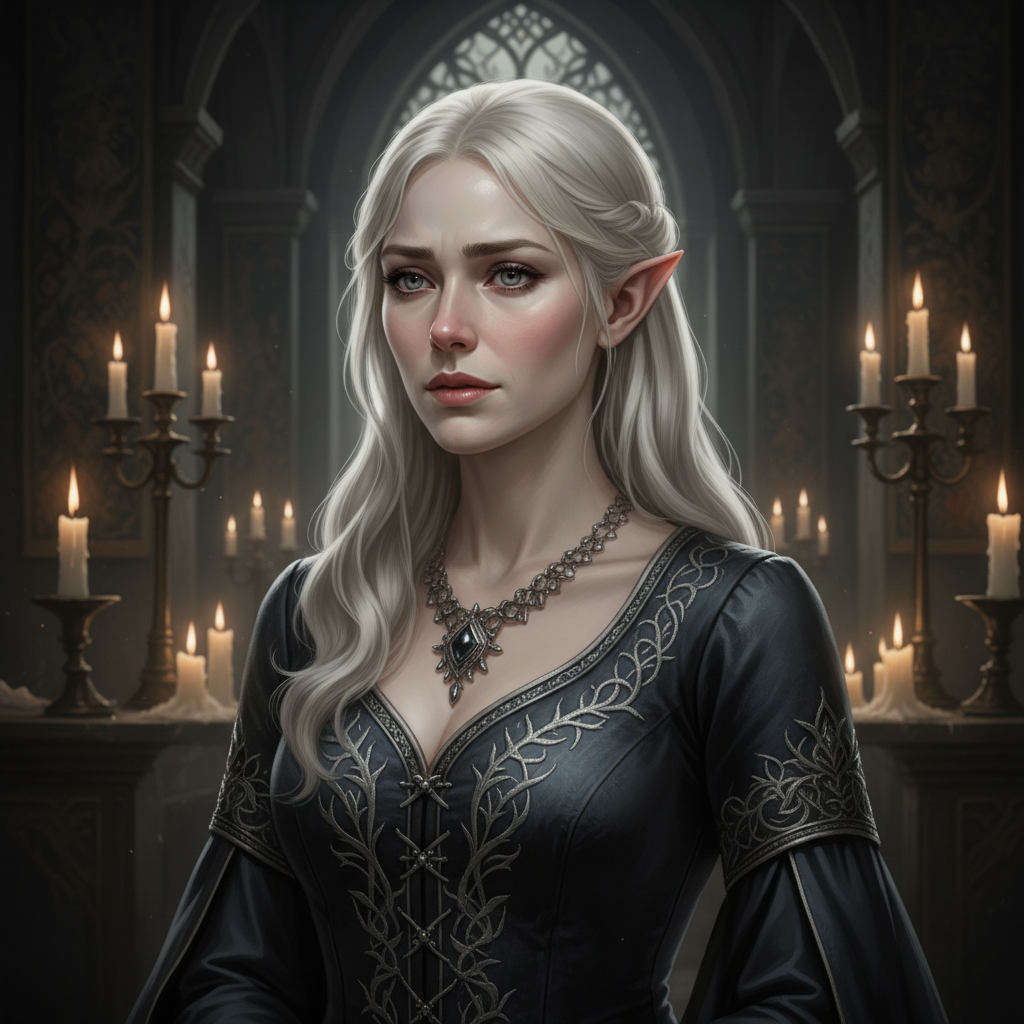
The Fracture Within
An Alvar noblewoman raised inside Dominion privilege who gradually recognizes the horror sustaining the empire. Intelligent, restrained, and quietly compassionate — her relationship with Vorrick is emotionally restrained, tragic, and transformative. She represents the moral fracture at the heart of the Dominion.
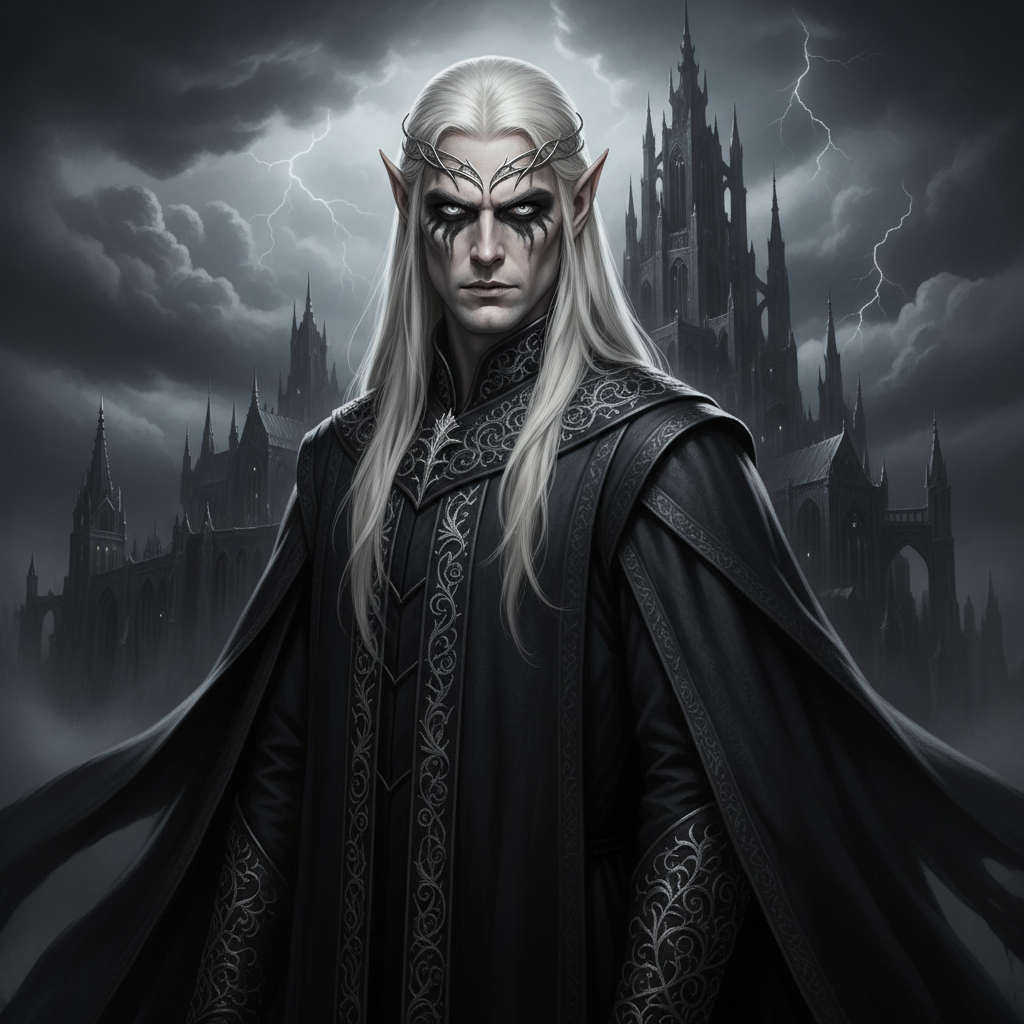
The True Believer
Alvar war-priest. Military commander. Devotee of holy imperialism. Caelorn does not enjoy cruelty — he believes it necessary. Tall and severe, with long white hair, dark ceremonial eye markings, and a silver circlet, he wields both lightning staff and divine conviction. He sees Vorrick not as a rebel, but as proof the old world is dangerously returning.
“I stayed up until 2am finishing this. Vorrick is one of the most compelling protagonists I've read in years — brutal, grieving, and impossible to look away from.
— Amazon reader
“This is the grimdark orc story I didn't know I needed. Dark, emotionally grounded, and it hits hard. The themes of cultural erasure feel devastatingly real.
— Amazon reader
“I wasn't expecting to be this emotionally wrecked by a fantasy novel. The world-building is immersive, the characters are morally complex, and the ending stayed with me for days.
— Amazon reader
If you crave fantasy that bleeds, Dust & Stone was written for you.
Readers of these will feel at home
* Comparable titles listed for reader context only. No endorsement implied.
The Author
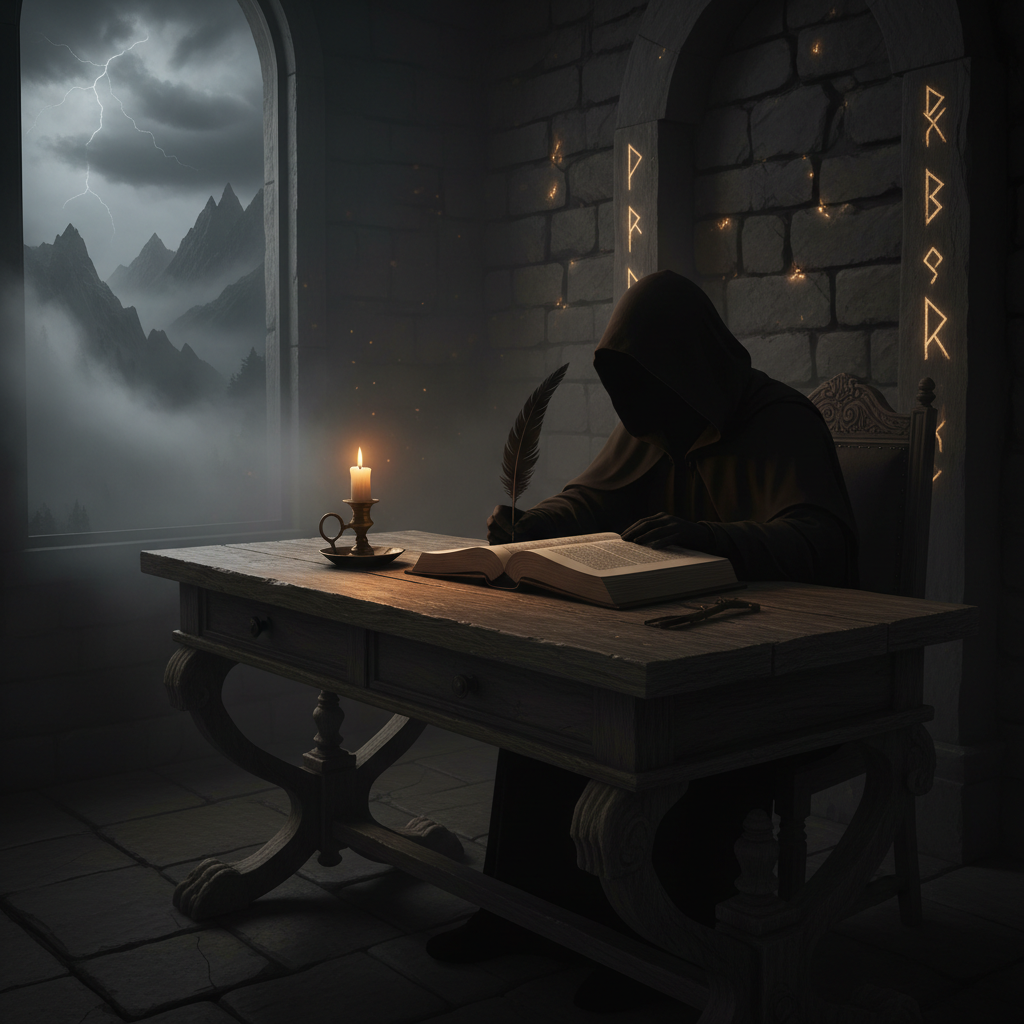
Elias Thorn writes dark epic fantasy for readers who want their stories brutal, mythic, and deeply human. Drawing from a lifelong love of grimdark fiction, ancient mythology, and the hard-won stories of conquered peoples, his work explores what it means to reclaim an identity that empire tried to destroy.
Dust & Stone is his debut novel — a story about slavery, identity, rebellion, and forbidden memory in a world where an empire has spent fifty years convincing a conquered people they were born to kneel.
As forgotten gods stir beneath the mountains and ancient power returns to the world, one broken laborer must decide whether freedom is worth the cost of war.
"I wanted to write the Vrahn as they deserved to be written — not as monsters lurking at the edge of someone else's story, but as people at the center of their own."
Available now on Amazon — Kindle & Paperback